Marine Low Carbon Day 3
Session 1: SCUBA Diving Fundamentals
Resource Person: Mr. Aravind Thanusri
Designation: PADI Master Instructor
Date: 16 May 2026
Certification: PADI Certified
Scope
To introduce participants to the fundamentals of scuba diving, including diving equipment, safety procedures, buoyancy control, and underwater exploration techniques. The session aimed to enhance understanding of how scuba diving supports marine research, environmental monitoring, and ocean conservation.
Content
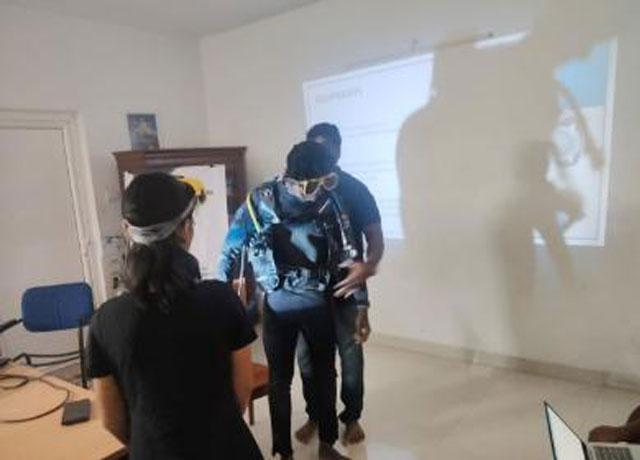
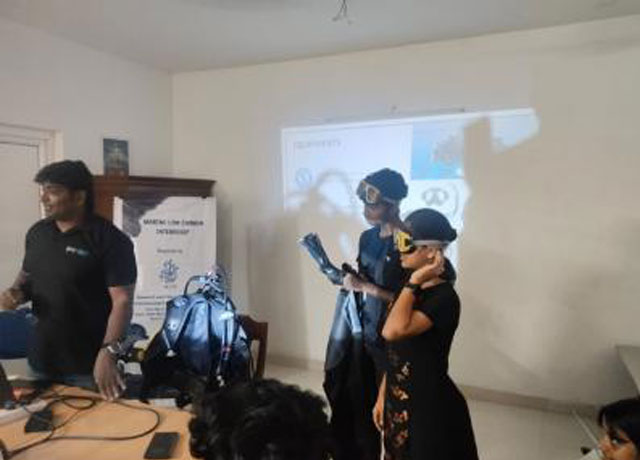
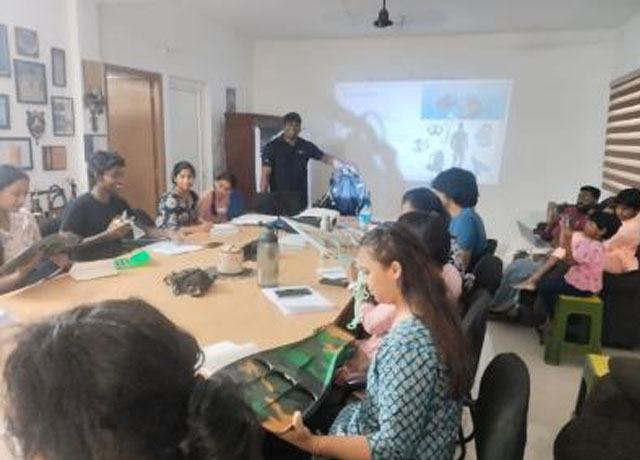
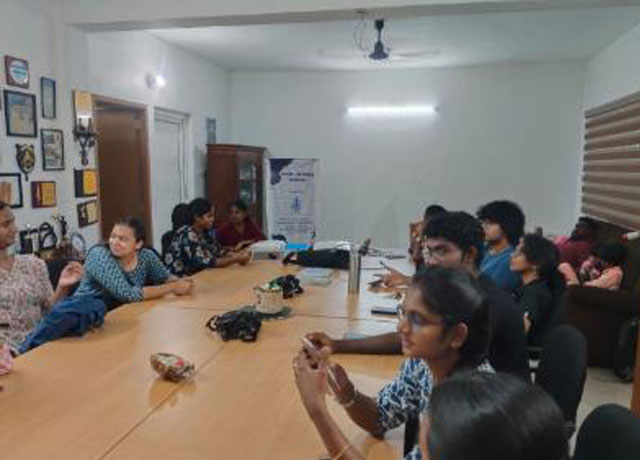
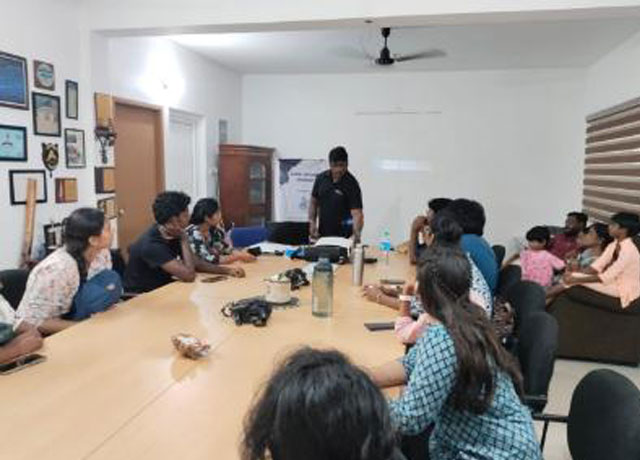
Mr. Aravind Thanusri explained the meaning of SCUBA (Self-Contained Underwater Breathing Apparatus) and introduced the various components of scuba equipment, including cylinders, regulators, wetsuits, masks, and fins. The session covered diving safety protocols, pressure equalization, buoyancy control, emergency procedures, and the importance of professional training and physical fitness. Participants were also introduced to underwater photography, commercial diving opportunities, and inclusive diving programs for differently-abled individuals. The role of scuba diving in marine exploration and conservation was highlighted through practical examples and experiences from the instructor's professional career.
Outcome
Participants gained a clear understanding of scuba diving principles, equipment functions, and safety requirements. The session enhanced their appreciation of underwater exploration and its applications in marine science and conservation. Students developed an interest in diving as a tool for scientific research and environmental stewardship, recognizing its importance in studying and protecting marine ecosystems.
Session 2: Marine Conservation Insights
Resource Person: Dr. Madhu Magesh
Designation: Scientist, Wildlife Institute of India
Date: 16 May 2026
Organization: Wildlife Institute of India
Scope
To introduce participants to the fundamentals of scuba diving, including diving equipment, safety procedures, buoyancy control, and underwater exploration techniques. The session aimed to enhance understanding of how scuba diving supports marine research, environmental monitoring, and ocean conservation.
Content
Mr. Aravind Thanusri explained the meaning of SCUBA (Self-Contained Underwater Breathing Apparatus) and introduced the various components of scuba equipment, including cylinders, regulators, wetsuits, masks, and fins. The session covered diving safety protocols, pressure equalization, buoyancy control, emergency procedures, and the importance of professional training and physical fitness. Participants were also introduced to underwater photography, commercial diving opportunities, and inclusive diving programs for differently-abled individuals. The role of scuba diving in marine exploration and conservation was highlighted through practical examples and experiences from the instructor's professional career.
Outcome
Participants gained a clear understanding of scuba diving principles, equipment functions, and safety requirements. The session enhanced their appreciation of underwater exploration and its applications in marine science and conservation. Students developed an interest in diving as a tool for scientific research and environmental stewardship, recognizing its importance in studying and protecting marine ecosystems.
Key Takeaways
SCUBA Fundamentals
Understanding equipment, safety protocols, buoyancy control, and diving techniques.
Marine Conservation
Learning how diving supports marine research, monitoring, and ecosystem protection.
Underwater Exploration
Discovering underwater photography, commercial diving, and inclusive diving programs.
Activity Gallery